
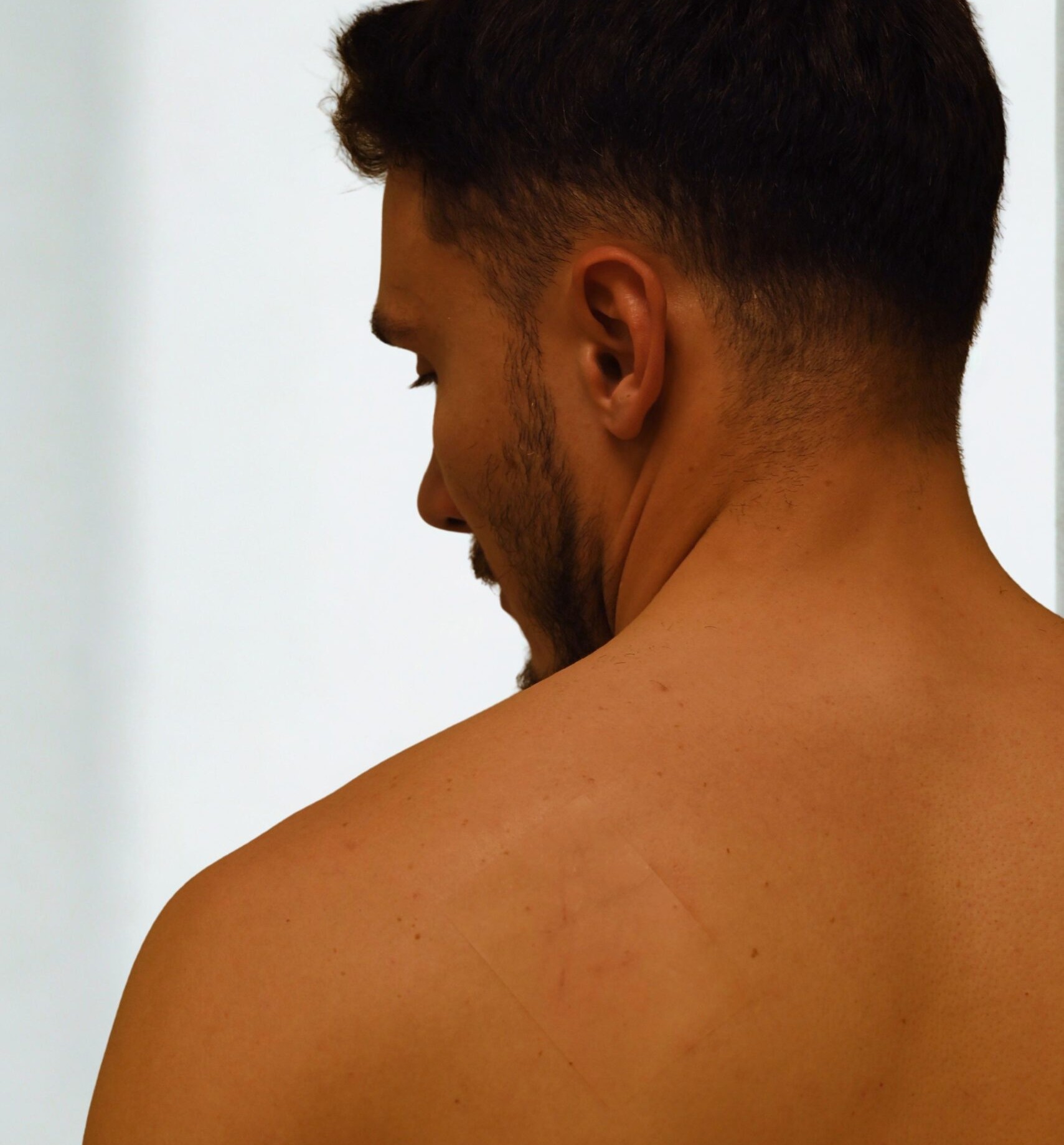
Wondering how CBD patches work to deliver natural wellness benefits? Unlike CBD oils that pass through your digestive system, CBD patches use transdermal delivery to provide 40-60% bioavailability and sustained 24-hour relief.
In this guide, you’ll discover the science behind how CBD patches work, what to expect during your first month, and how to maximize your results.
How CBD Patches Work: The Science of Transdermal Delivery
CBD patches use transdermal delivery—a method that allows cannabinoids to pass through your skin and directly into your bloodstream.
Here’s what makes them different from other CBD products:
The Transdermal Advantage
Unlike CBD oils (which pass through your digestive system) or topical creams (which stay on the skin’s surface), CBD patches deliver cannabinoids directly into your bloodstream through the skin.
Key benefits of transdermal delivery:
- Steady, controlled release over 24 hours
- Higher bioavailability compared to oral CBD (bypasses liver metabolism)
- Consistent blood levels without peaks and crashes
- Localized + systemic relief from a single patch
Research published in the Journal of Controlled Release confirms that transdermal cannabinoid delivery provides sustained plasma levels and improved therapeutic outcomes compared to oral administration.
How Your Skin Absorbs CBD
Your skin has three main layers:
- Epidermis (outer protective layer)
- Dermis (contains blood vessels and nerves)
- Hypodermis (fatty tissue layer)
CBD patches are designed to penetrate the epidermis and reach the dermis, where cannabinoids enter your bloodstream through capillaries.
What helps CBD absorb through skin:
- Permeation enhancers in the patch formulation
- Lipophilic nature of CBD (it dissolves in fats, making it easier to pass through skin)
- Continuous contact with skin over 24 hours
- Application to areas with good blood flow (inner wrist, ankle, shoulder)
CBD Patches vs. Oils: What’s the Difference?
| Feature | CBD Patches | CBD Oils |
|---|---|---|
| Delivery Method | Transdermal (through skin) | Sublingual or oral (through digestive system) |
| Onset Time | 1–2 hours | 15–45 minutes (sublingual), 1–2 hours (oral) |
| Duration | 24 hours | 4–6 hours |
| Bioavailability | Higher (bypasses liver) | Lower (first-pass metabolism) |
| Consistency | Steady release, no peaks/crashes | Peaks and valleys |
| Convenience | Apply once daily | Dose 2–3 times daily |
| Best For | Consistent, long-lasting relief | Fast relief, flexible dosing |
Bottom line: Patches are ideal if you want consistent, hands-free relief without having to remember multiple daily doses.
Getting Started: Your First CBD Patch
Step 1: Choose the Right Strength
Start with a lower-strength patch (15–25 mg CBD) if you’re new to CBD. You can always increase the dose after a week or two if needed.
Royalty Garden recommendations:
- SootHer Menstruation & Menopause Patches (23 mg): Ideal for hormonal balance, cramps, and mood support
- Core Broad Spectrum Patches (50 mg): Best for pain relief, inflammation, and stress
Step 2: Apply to Clean, Dry Skin
Best application sites:
- Inner wrist
- Ankle
- Shoulder blade
- Upper arm
- Hip
Avoid:
- Broken or irritated skin
- Areas with lots of hair
- Joints that bend frequently (elbow, knee)
Pro tip: Rotate application sites daily to prevent skin irritation.
Step 3: Wear for 24 Hours
Leave the patch on for a full 24 hours for maximum benefit. Most patches are water-resistant, so you can shower (but avoid swimming or soaking in a bath).
Step 4: Track Your Experience
Keep a simple journal to note:
- What time you applied the patch
- Any changes in symptoms (pain, sleep, mood, stress)
- Side effects (if any)
- Overall impressions
This will help you adjust your routine and find what works best for you.
What to Expect: Your First Month with CBD Patches
Week 1: Getting Acquainted
What’s happening:
Your body is being introduced to consistent CBD levels. The endocannabinoid system (ECS) is starting to respond, but effects may be subtle.
What you might notice:
- Mild relaxation or calmness
- Slight improvement in sleep quality
- Reduced stress or anxiety
- Possible mild skin redness at application site (normal)
What to do:
- Apply your patch at the same time each day
- Track your symptoms and any changes
- Don’t expect dramatic results yet—CBD works gradually
- Stay hydrated and maintain your normal routine
Common concerns:
- “I don’t feel anything yet.” → This is normal. CBD is not psychoactive and works subtly. Give it time.
- “My skin is a little red.” → Mild redness is common and usually fades within an hour. Rotate sites to minimize irritation.
Week 2: Building Consistency
What’s happening:
Your ECS is adapting to regular CBD intake. Cannabinoid receptors (CB1 and CB2) are becoming more responsive.
What you might notice:
- More noticeable relaxation
- Improved sleep onset and duration
- Reduced discomfort or inflammation
- Better mood stability
What to do:
- Continue applying patches daily
- If you’re not seeing results, consider increasing to a higher-strength patch
- Keep tracking your experience
- Maintain consistency—skipping days can slow progress
Adjustment tips:
- If 23 mg feels too mild, try 50 mg patches
- If you’re sensitive, stick with 23 mg for another week before increasing
Week 3: Noticeable Improvements
What’s happening:
Your body has adjusted to transdermal CBD delivery. Cannabinoid levels are stable, and your ECS is functioning more efficiently.
What you might notice:
- Significant reduction in discomfort or pain
- Deeper, more restorative sleep
- Improved stress resilience
- Better focus and mental clarity
- Reduced inflammation
What to do:
- Continue your routine—consistency is key
- Fine-tune your application site if needed
- Consider combining with CBD oil for extra support (keep total daily CBD under 70 mg)
- Share your experience with your healthcare provider if you’re managing a chronic condition
Optimization tips:
- Apply patches in the evening if sleep is your main goal
- Apply in the morning if you want daytime stress relief
- Rotate sites every day to prevent skin sensitivity
Week 4: Full Benefits
What’s happening:
Your ECS is fully engaged. You’ve found your optimal dose and routine. CBD is now supporting your body’s natural balance.
What you might notice:
- Consistent relief from discomfort
- Stable mood and reduced anxiety
- Better sleep quality and energy levels
- Reduced inflammation and faster recovery
- Overall sense of well-being
What to do:
- Maintain your routine for long-term benefits
- Reassess your goals—are you getting the results you wanted?
- Consider adjusting dose or timing if needed
- Explore complementary wellness practices (yoga, meditation, nutrition)
Long-term tips:
- CBD patches work best as part of a holistic wellness routine
- Take occasional breaks (1–2 days off per month) to prevent tolerance
- Continue tracking your progress to identify patterns
Tips for Maximizing Your CBD Patch Experience
1. Stay Consistent
CBD works best with regular use. Apply your patch at the same time every day for optimal results.
2. Rotate Application Sites
Prevent skin irritation by changing the patch location daily. Stick to areas with good blood flow.
3. Stay Hydrated
Drinking plenty of water supports your body’s natural detoxification and helps CBD work more effectively.
4. Combine with Healthy Habits
CBD is not a magic bullet. Pair it with:
- Quality sleep (7–9 hours)
- Balanced nutrition
- Regular movement
- Stress management techniques
5. Be Patient
CBD is not a pharmaceutical—it works with your body, not against it. Give it at least 3–4 weeks to see full benefits.
6. Talk to Your Doctor
If you’re on medication or managing a chronic condition, consult your healthcare provider before starting CBD.
Frequently Asked Questions
How long does it take for a CBD patch to work?
Most people feel initial effects within 1–2 hours, with full benefits developing over 24 hours. For long-term results, give it 3–4 weeks of consistent use.
Can I wear a CBD patch overnight?
Yes! CBD patches are designed for 24-hour wear, including overnight. Many users find they improve sleep quality.
Can I shower or exercise with a CBD patch on?
Yes. Most CBD patches are water-resistant and stay in place during showers and light exercise. Avoid swimming or soaking in a bath.
Can I cut a CBD patch in half?
No. Cutting a patch disrupts the controlled-release mechanism and can cause uneven dosing.
Can I use CBD patches with CBD oil?
Yes, but keep your total daily CBD intake under 70 mg to avoid overstimulation of the endocannabinoid system.
Are there any side effects?
CBD patches are generally well-tolerated. Mild side effects may include:
- Skin redness or irritation (rotate sites to minimize)
- Mild drowsiness (apply in the evening if this occurs)
- Dry mouth (stay hydrated)
How do I know if CBD patches are working?
Track your symptoms over 3–4 weeks.
Look for improvements in:
- Sleep quality
- Pain or discomfort levels
- Mood and stress resilience
- Inflammation and recovery
Can I use CBD patches during menstruation or menopause?
Absolutely. CBD patches are especially helpful for managing:
- Menstrual cramps and discomfort
- PMS mood swings and anxiety
- Menopause symptoms (hot flashes, sleep disturbances, irritability)
Try Royalty Garden’s Menstruation & Menopause Patches for targeted hormonal support. Learn more in our guides: Natural Menstrual Cramp Relief, Managing Menopause Symptoms Naturally, and PMDD Natural Treatment.
Ready to Experience the Benefits of CBD Patches?
CBD patches offer a unique, science-backed way to support your wellness—without the hassle of multiple daily doses.
Whether you’re looking for better sleep, pain relief, or hormonal balance, transdermal CBD delivery provides consistent, long-lasting support that works with your body’s natural rhythms.
Start your CBD patch journey today:
- Shop Menstruation & Menopause Patches (23 mg)
- Shop Broad Spectrum Patches (50 mg)
- Explore the Women’s Wellness Protocol Bundle
Questions? Our team is here to help. Contact us or explore our CBD Education Hub for more guidance.